Read the main series for the central invasion narrative, then move laterally into anthologies and standalone novels to see the same conflict from other units, cities, countries, and resistance networks.

World War III began years ago. America only notices when the lights go out.
OPEN DOSSIER →
The grid is down. The hidden army is no longer hidden. Now the invasion comes ashore.
OPEN DOSSIER →The occupation is real. The next question is whether America endures or rises.
OPEN DOSSIER →After the main series, the anthologies and standalone novels widen the conflict into other states, countries, units, covert operations, and resistance fronts.
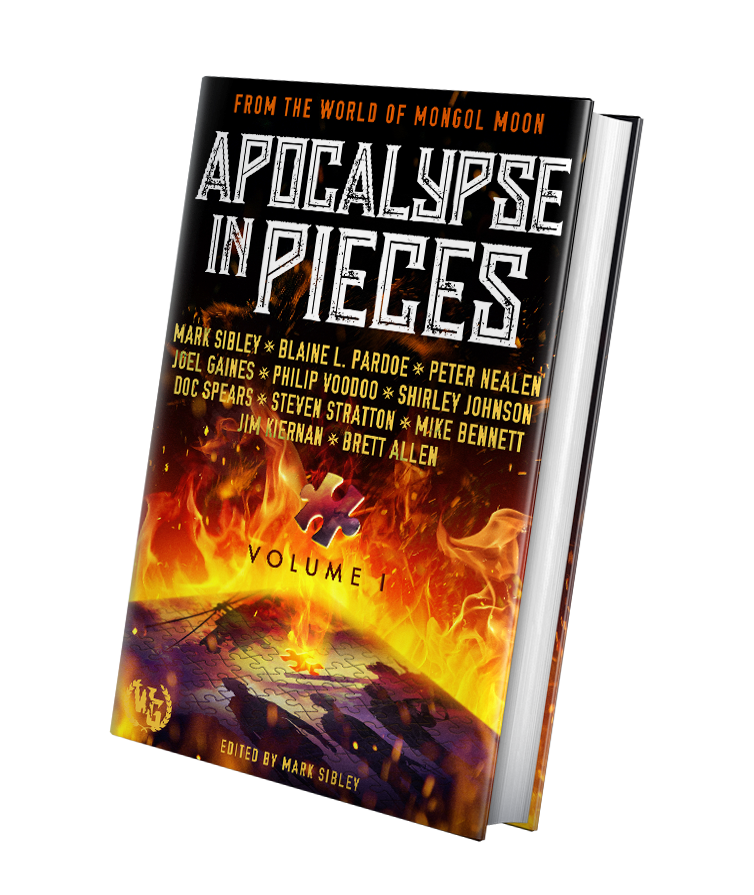
The lights went out everywhere. These are the pieces the main novels cannot show.
OPEN DOSSIER →
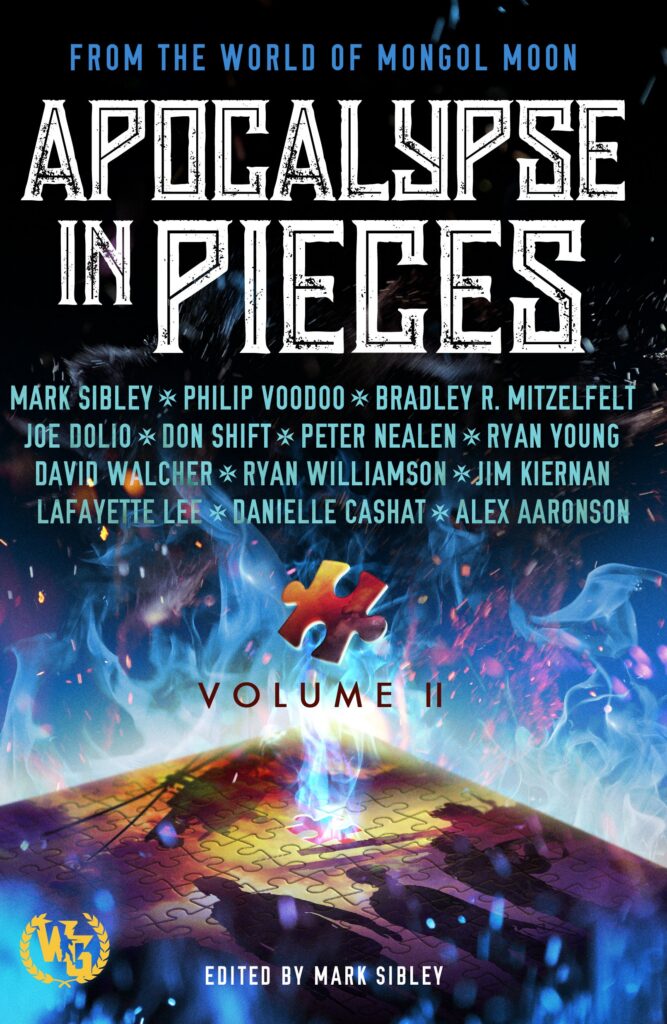
More fronts. More missing hours. More people discovering the war at ground level.
OPEN DOSSIER →
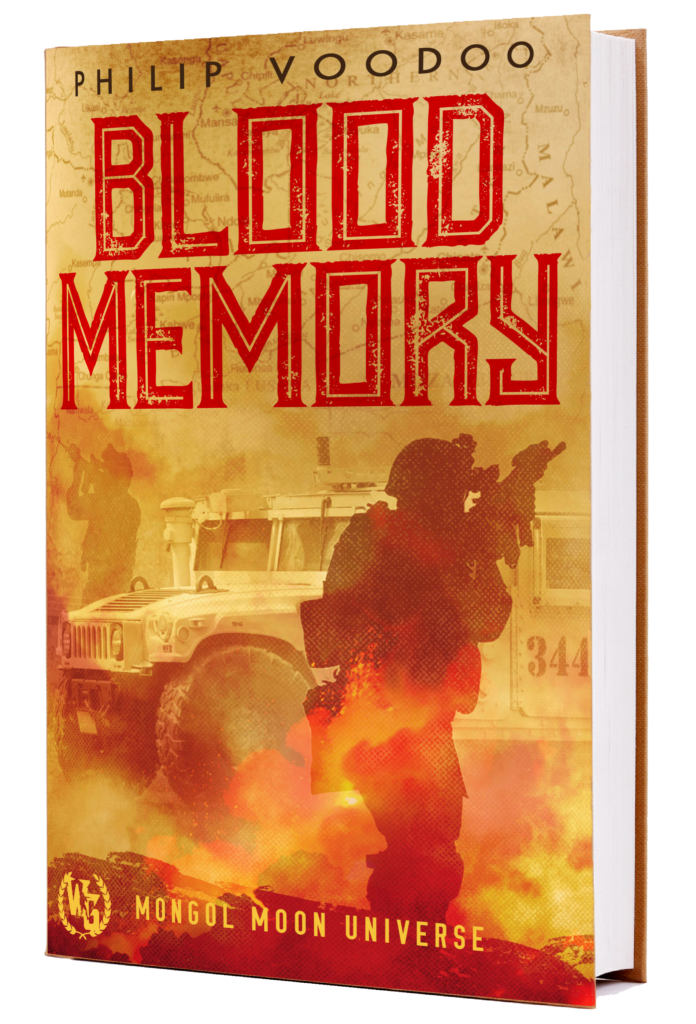
When Zambia goes dark, Major Alex Frey has 1,400 miles of Africa between his people and safety.
OPEN DOSSIER →
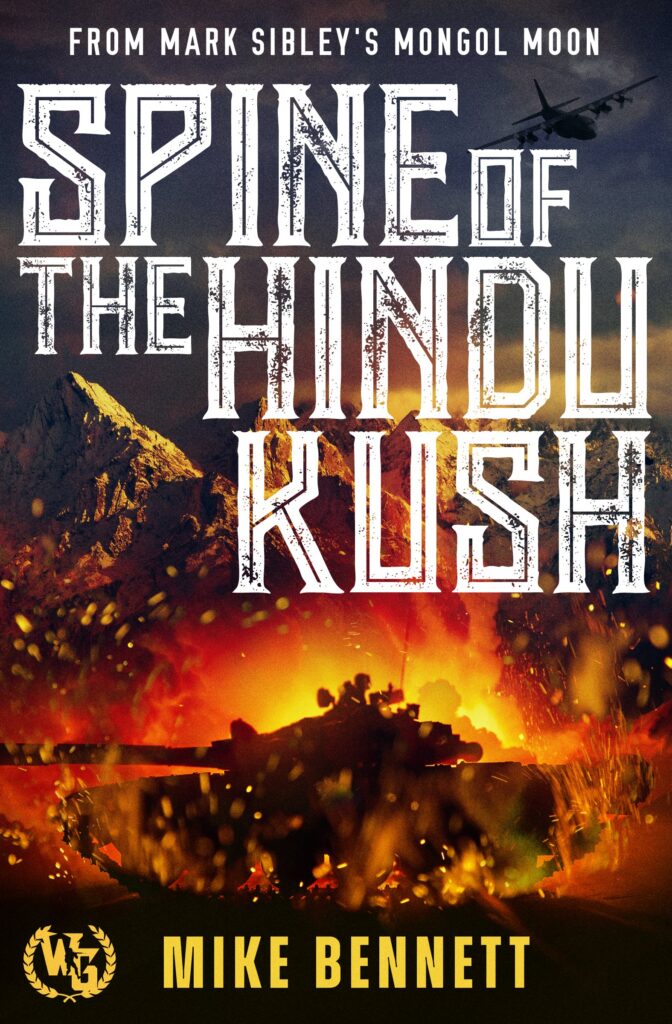
An unofficial American program tries to break the enemy alliance before open war becomes inevitable.
OPEN DOSSIER →
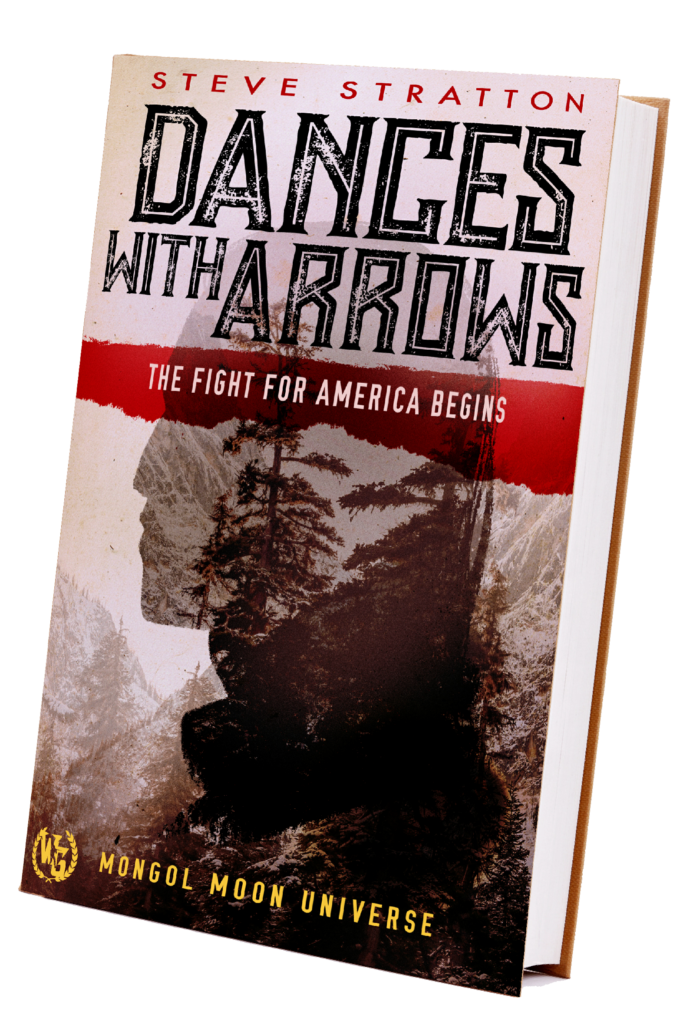
Occupied Wyoming becomes a resistance front across the plains, missile fields, and the streets of Cheyenne.
OPEN DOSSIER →
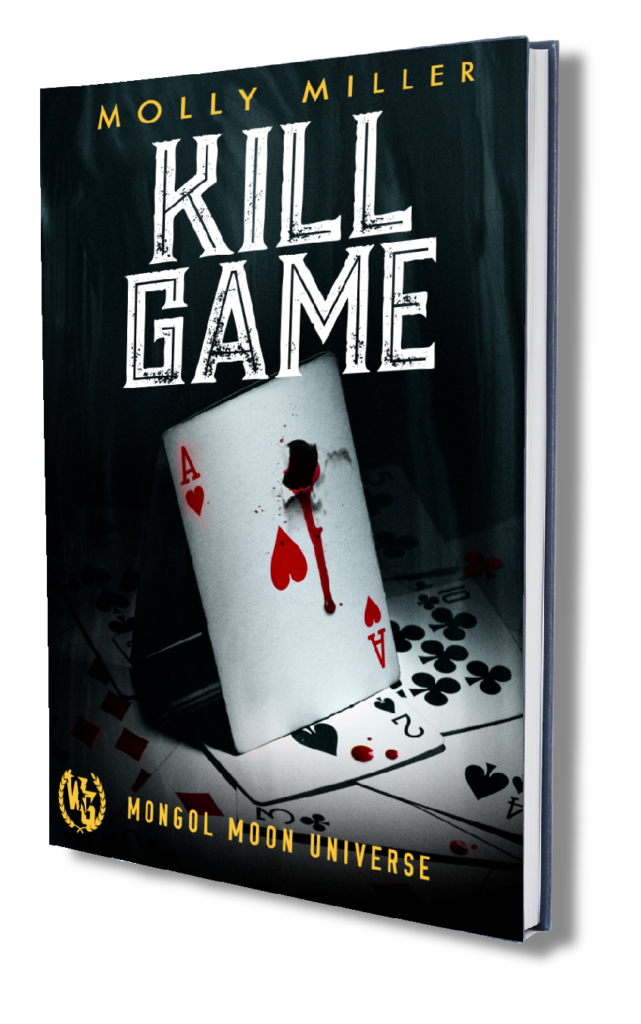
Reno is occupied. The casino becomes headquarters. The Sons of Carson decide whether to fold or fight.
OPEN DOSSIER →The world wrote them off before the bombs fell. South Carolina gets a veteran support group the invaders did not plan for.
OPEN DOSSIER →China and Russia quietly seed the United States with spies, soldiers, and support networks while Iran and North Korea keep Western attention divided.
Iranian chief spymaster Javad Shir-Del helps drive an audacious anti-Western plan while carrying a private revenge motive that his own side does not fully understand.
Before the shooting starts, Gale Washington has a hunch that something is wrong, but the warning does not break through in time to stop the attack already forming inside the country.
National watch-standers remain at their consoles while the country celebrates Independence Day, creating a prewar warning window built around a day when attention is naturally elsewhere.
The Warlock runs an unseen black-budget effort intended to disrupt the hostile alliance before its full plan can mature.
Economic and logistics systems become the Warlock’s preferred targets because disabling movement, communications, and commerce can cripple an alliance without an attributable conventional strike.
A series of orchestrated deceptions pushes China toward Russia and leaves Russian leaders accusing Turkey of foul play.
A coordinated EMP strike and internal attacks collapse the electrical grid and strip away communications, technology, and normal command systems across the opening battlefield.
The EMP attack is not confined to the United States; Book 2 explicitly describes America and Europe being blinded in the same opening crisis.
The loss of power is only the first move; coordinated attacks on civilian populations follow the EMP and turn infrastructure collapse into deliberate terror and invasion.
Nuclear strikes hit city centers as the invasion escalates beyond sabotage, blackout, and infiltration.
Russian naval forces move into the Atlantic as the land war on the American homeland becomes overt.