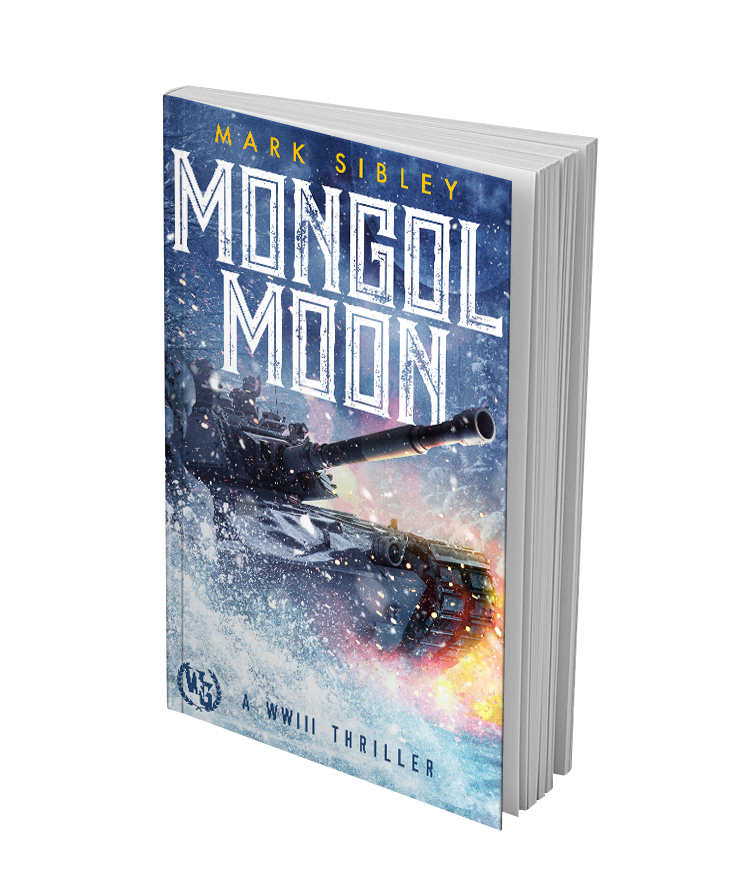
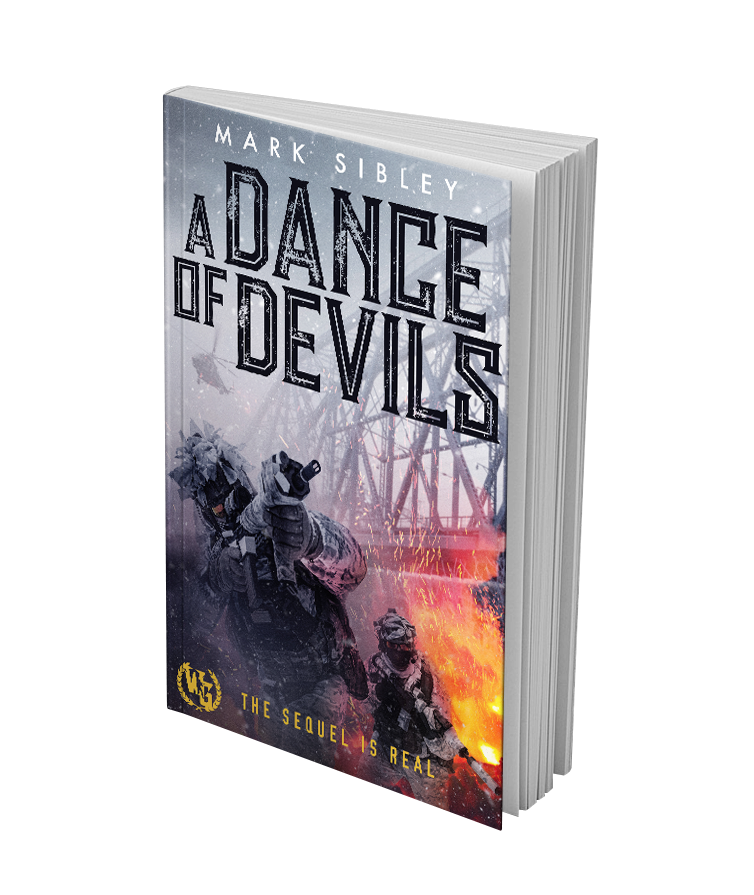
Mongol Moon is a shared World War III thriller universe. The central novels follow the opening attack on the United States while anthologies, connected novels, short fiction, character dossiers, and author intelligence files show the same conflict from other units, countries, communities, and covert fronts.
The site tracks the published universe as connected records instead of isolated marketing pages. These totals update from the live public dossiers.
Mongol Moon begins with hostile preparation already inside the United States. Intelligence warnings, hidden personnel, compromised infrastructure, and coordinated adversaries turn a Christmas Eve systems failure into the opening phase of a much larger conflict.
The first novel follows that opening from several directions at once: a Northern Virginia family trapped inside the attack, Marines attempting to move out of a darkened Fort Knox, and an American astronaut facing the crisis from orbit. Those personal threads widen into invasion, occupation, resistance, covert action, strategic command, and a fight that crosses borders and theaters.
The result is not one protagonist moving through one continuous battlefield. It is a connected war told from different levels of the same crisis, from households and small units to national command, occupied cities, resistance networks, strategic islands, and fronts far outside the continental United States.
The main series is the clearest route through the central chronology. Mongol Moon establishes the infiltration, grid failure, family and military threads, and the first hours of the attack. A Dance of Devils expands that crisis into overt war, national command, occupation pressure, armored movement, and the race to preserve what remains of American coordination.
Later main-series material continues that central conflict. Readers who want the most direct path should start here before branching into the anthologies and connected novels.

World War III began years ago. America only notices when the lights go out.
OPEN DOSSIER →
The grid is down. The hidden army is no longer hidden. Now the invasion comes ashore.
OPEN DOSSIER →The occupation is real. The next question is whether America endures or rises.
OPEN DOSSIER →The wider Mongol Moon universe moves the conflict into other states, countries, military formations, occupations, rescue missions, covert operations, and resistance networks. Anthology stories can isolate one event or one group. Connected novels can stay with another front long enough to show how the global attack changes that place over time.
Some of those stories intersect the main-series cast or chronology directly. Others are parallel views of the same strategic disaster. The point is not to make every book feel identical; it is to make every contribution legible inside the larger war.

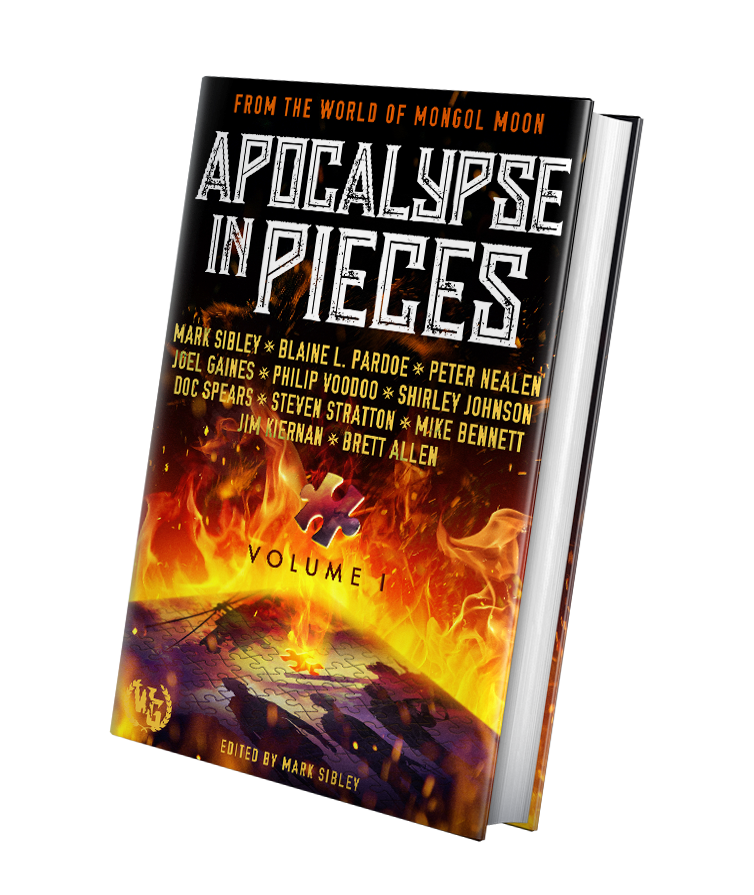
The lights went out everywhere. These are the pieces the main novels cannot show.
OPEN DOSSIER →
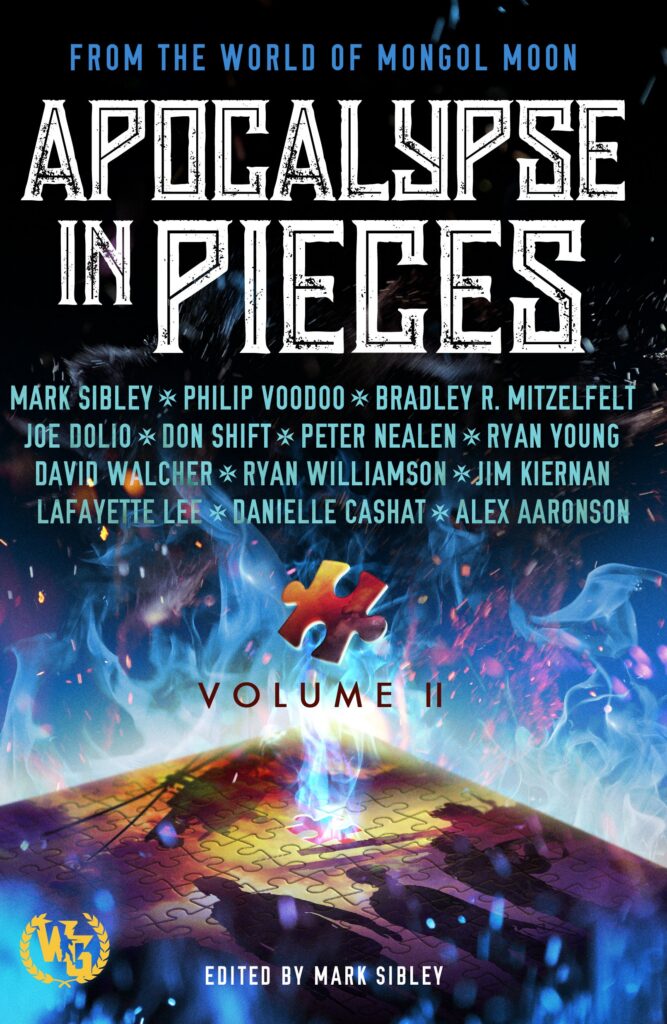
More fronts. More missing hours. More people discovering the war at ground level.
OPEN DOSSIER →
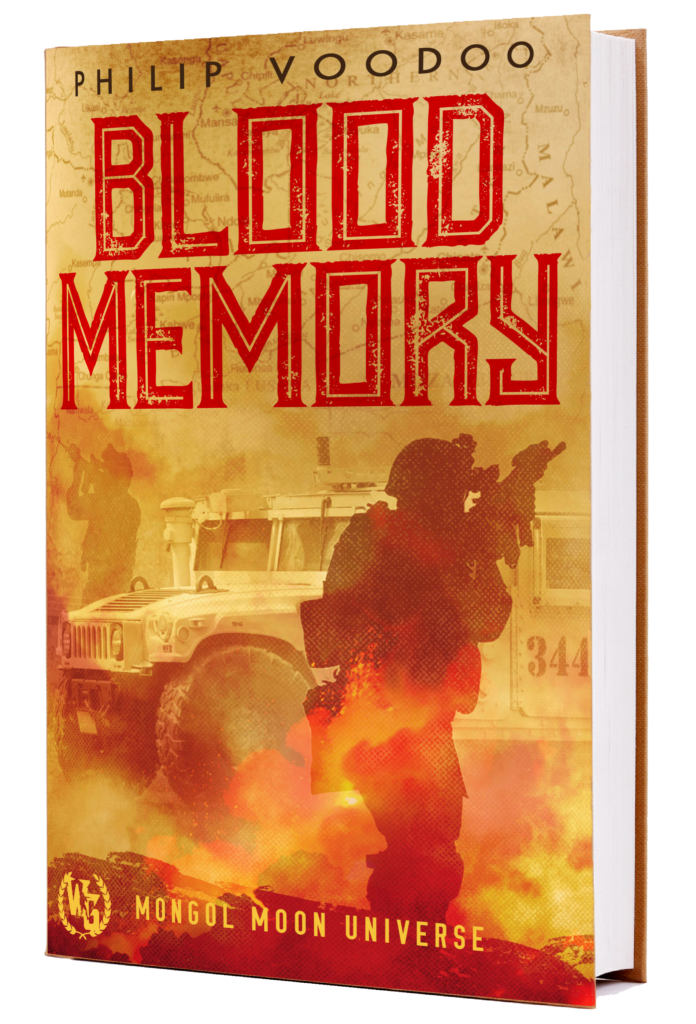
When Zambia goes dark, Major Alex Frey has 1,400 miles of Africa between his people and safety.
OPEN DOSSIER →
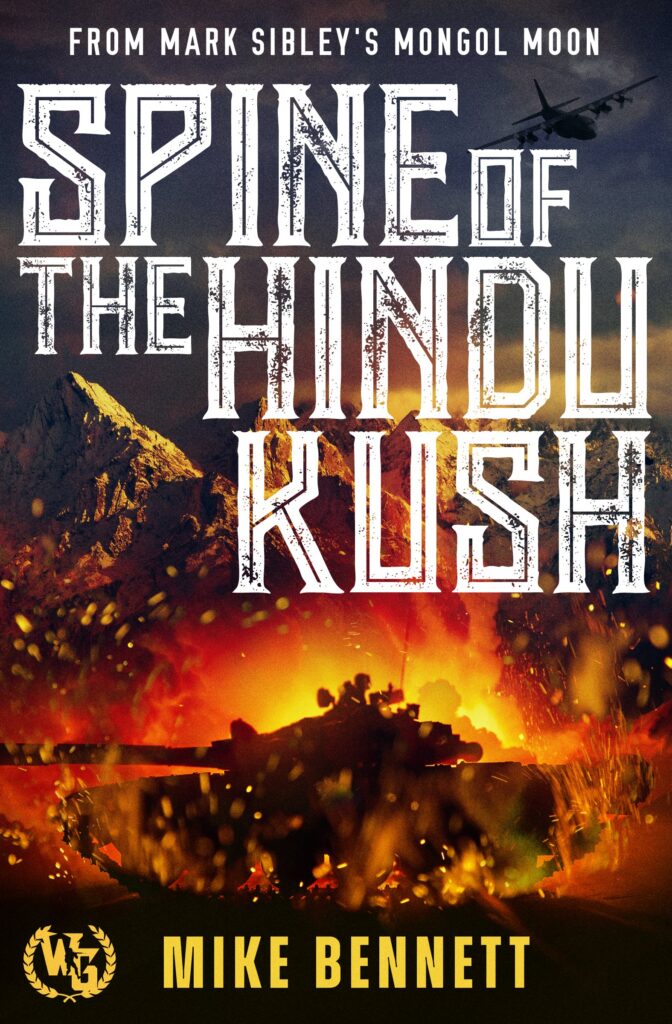
An unofficial American program tries to break the enemy alliance before open war becomes inevitable.
OPEN DOSSIER →
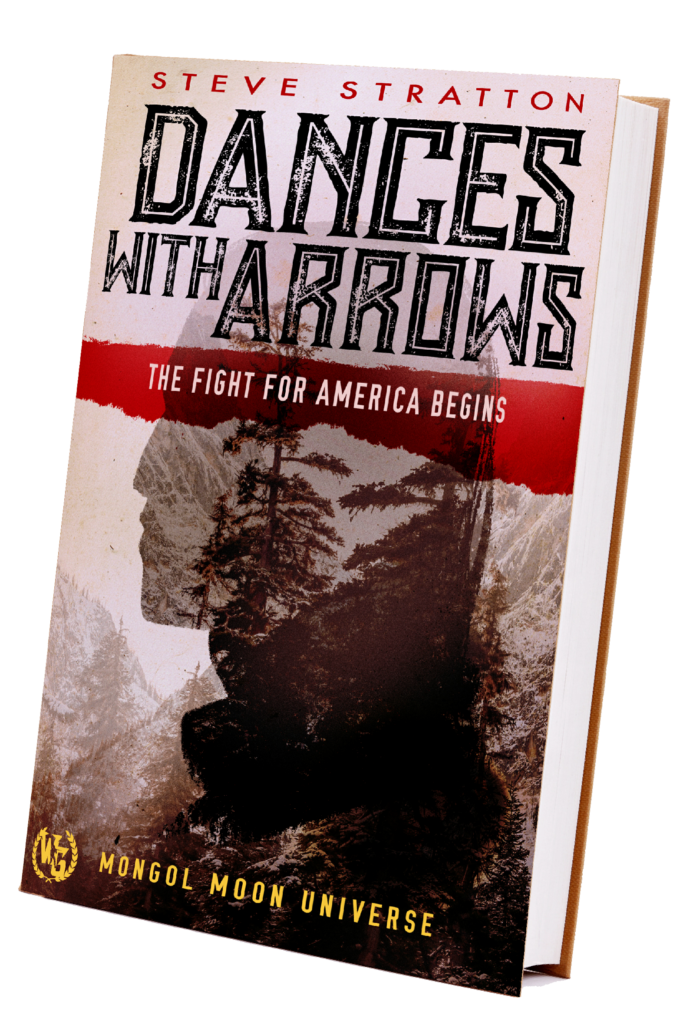
Occupied Wyoming becomes a resistance front across the plains, missile fields, and the streets of Cheyenne.
OPEN DOSSIER →
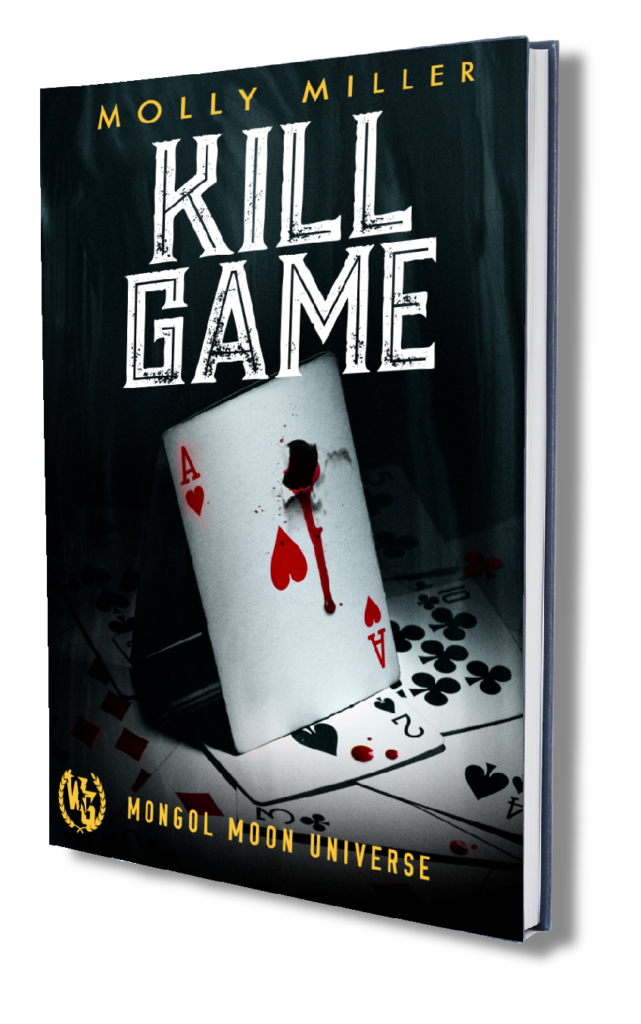
Reno is occupied. The casino becomes headquarters. The Sons of Carson decide whether to fold or fight.
OPEN DOSSIER →The world wrote them off before the bombs fell. South Carolina gets a veteran support group the invaders did not plan for.
OPEN DOSSIER →The Timeline, Intel Map, character dossiers, story files, and book dossiers are different views of the same underlying continuity. A timeline event can point back to the book or story that establishes it, identify the characters involved, and connect to the location where it occurs. A character can be followed across multiple books and stories without forcing the reader to guess which appearance came first.
This makes the site useful both as a reading guide and as a reference system after you already know the books.
Track events by phase, source book or story, people, and location.
INTEL MAPSee where the conflict movesOpen the geographic view and jump from a marker into the connected dossiers.
DOSSIERSTrace people, units, and assetsCharacters include people as well as important vehicles, organizations, and recurring military assets.
AUTHOR INTELGo behind the finished pageRead labeled research notes, deleted material, alternate drafts, and continuity context from the writers.
Published books and stories remain the primary canon. Public previews and forthcoming material stay labeled as previews rather than being silently treated as fully established continuity. When a public source does not establish a date, participant, biography, or outcome, the site preserves that uncertainty instead of filling the gap with invented detail.
Author Intel Briefings sit beside the finished fiction and explain material from the writing room: research notes, deleted scenes, alternate drafts, continuity decisions, character files, craft notes, or ideas that may return. Their canon labels matter. Deleted or alternate material is not current canon simply because it is interesting, and a possible future idea is not a promise.
Mongol Moon grows through writers who bring different military, geographic, technical, and human perspectives to the same global crisis. The author dossiers connect each contributor to the books, stories, and public Intel Briefings associated with their work.
Alex Aaronson is a former U.S. Navy Cryptologic Technician Interpretive who studied international relations before earning a law degree. He writes military and alternate-history thrillers...
OPEN DOSSIER →Blaine L. Pardoe is a New York Times bestselling and award-winning author whose work spans military history, true crime, science fiction, paranormal nonfiction, and management....
OPEN DOSSIER →Bradley R. Mitzelfelt writes fantasy and science fiction and has published across Weird West, dark fantasy, and speculative-fiction anthologies. He contributes to Apocalypse in Pieces,...
OPEN DOSSIER →Brett Allen is a former U.S. Army Cavalry Officer who deployed to eastern Afghanistan in 2009 with 3rd Squadron, 71st Cavalry Regiment, 10th Mountain Division....
OPEN DOSSIER →Danielle Cashat is the author of The Gray and the Death & Destruction series and a contributing author to Apocalypse in Pieces, Volume 2, where...
OPEN DOSSIER →David Walcher is a contributing author to Apocalypse in Pieces, Volume 2, adding another front to the Mongol Moon global-war mosaic.
OPEN DOSSIER →Doc Spears served on a U.S. Army Special Forces A-Team before becoming an orthopedic spine surgeon and working in the defense industry. His background also...
OPEN DOSSIER →Don Shift is a veteran of the Ventura County Sheriff's Office and the author of preparedness, disaster, history, current-events, and post-apocalyptic work. He contributes to...
OPEN DOSSIER →New readers should use Start Here for the cleanest reading route. Returning readers can move directly through books, stories, characters, the Timeline, or the Intel Map and use the cross-links to follow a thread across the universe.
Recommended reading route through the main series and wider universe.
OPEN FILEBOOKSMain series, anthologies, and connected in-universe novels.
OPEN FILESTORIESShort fiction and anthology fronts indexed as individual story files.
OPEN FILECHARACTERSPeople, vehicles, military units, organizations, and other recurring entities.
OPEN FILETIMELINESearch the fictional conflict by chronology, phase, book, story, character, or location.
OPEN FILEINTEL MAPMove through the war geographically and open the dossiers behind each marker.
OPEN FILEAUTHORSPublic dossiers for the writers contributing to the shared universe.
OPEN FILEBRIEFINGSDeclassified author notes, research, alternate drafts, and continuity files.